
The Generations of Computers Explained
Introduction
Computers have not always looked or worked the way they do today. From huge machines that filled entire rooms to the slim smartphones we carry in our pockets, computers have gone through a long journey of development. This journey is grouped into five generations of computers, each marked by major technological improvements.
In this post, we’ll explore the five generations of computers, their features, examples, and contributions to the world.
1st Generation (1940 – 1956): Vacuum Tube Computers
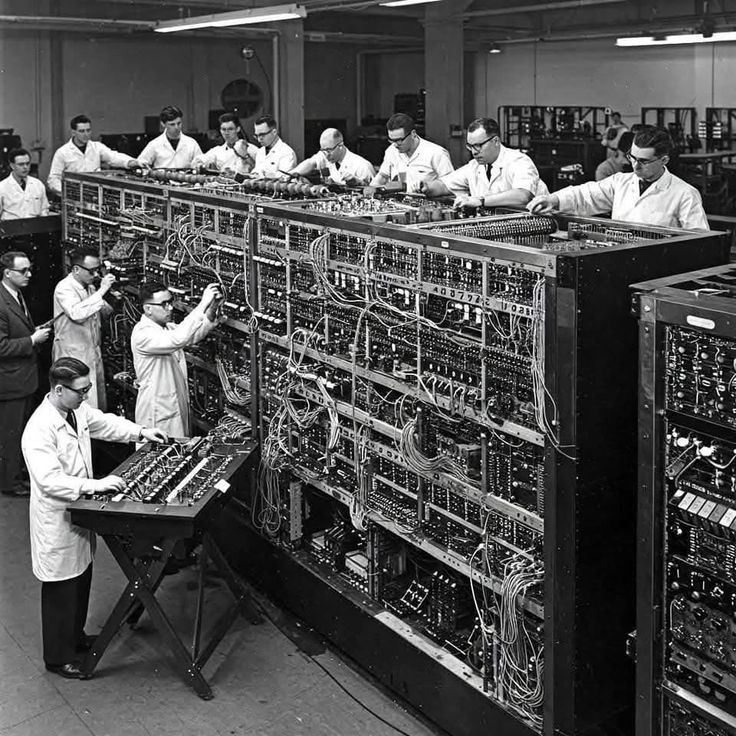
The first generation computers used vacuum tubes for circuitry and magnetic drums for memory. They were very large, generated a lot of heat, and consumed huge amounts of electricity.
- Key Features:
- Used vacuum tubes
- Very large and expensive
- Slow processing speed
- Required special cooling systems
- Examples: ENIAC, UNIVAC, IBM 701
2nd Generation (1956 – 1963): Transistor Computers
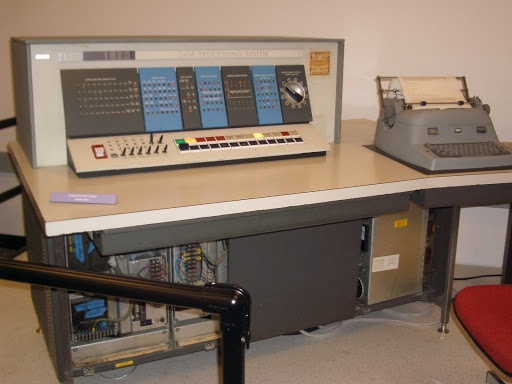
The invention of the transistor replaced vacuum tubes, making computers smaller, faster, cheaper, and more reliable.
- Key Features:
- Used transistors instead of vacuum tubes
- Smaller in size compared to first generation
- Faster and more energy-efficient
- Still expensive but more reliable
- Examples: IBM 7094, CDC 1604
3rd Generation (1964 – 1971): Integrated Circuits (ICs)
The third generation introduced integrated circuits (ICs), also known as chips. One IC could contain many transistors, making computers even smaller, cheaper, and more powerful.
- Key Features:
- Used integrated circuits (ICs)
- Improved speed and efficiency
- Cheaper and more reliable
- Introduced keyboards and monitors for input and output
- Examples: IBM 360 Series, PDP-8
4th Generation (1971 – 1980s): Microprocessor Computers
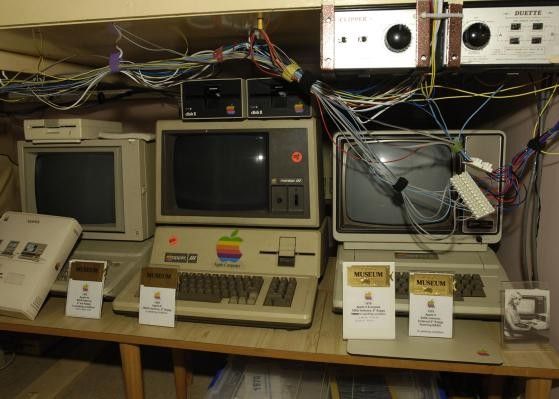
The fourth generation saw the development of the microprocessor, where thousands of integrated circuits were built onto a single chip. This innovation made it possible to build personal computers (PCs).
- Key Features:
- Used microprocessors
- Very fast and powerful
- Portable and affordable
- Rise of personal computers (PCs)
- Examples: Apple II, IBM PC, Intel 4004 (first microprocessor)
5th Generation (1980s – Present): Artificial Intelligence (AI) and Beyond
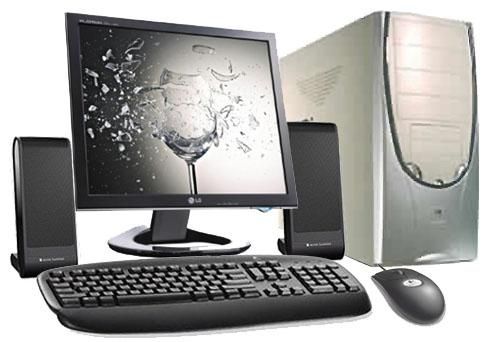
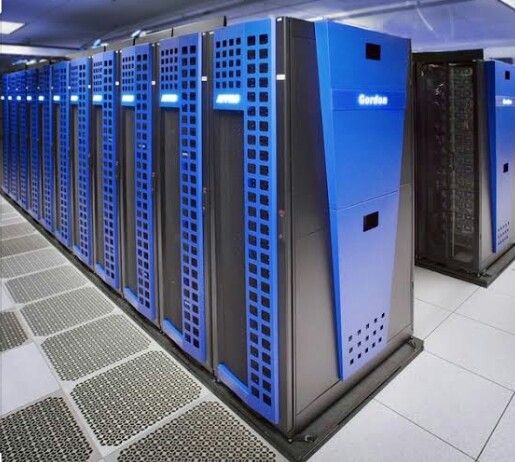
The fifth generation is still ongoing. These computers are based on artificial intelligence (AI), machine learning, cloud computing, and parallel processing. They are designed to think and process information like humans to some extent.
- Key Features:
- Use AI and advanced parallel processing
- Very fast and powerful
- Can process natural languages
- Found in smartphones, AI assistants, supercomputers, robotics
- Examples: IBM Watson, Google AI
Conclusion
From vacuum tubes to artificial intelligence, the evolution of computers shows how technology keeps advancing to meet human needs. Each generation brought new innovations that shaped the world we live in today. The journey is not over — the future of computing may lead to quantum computers that will be even more powerful.